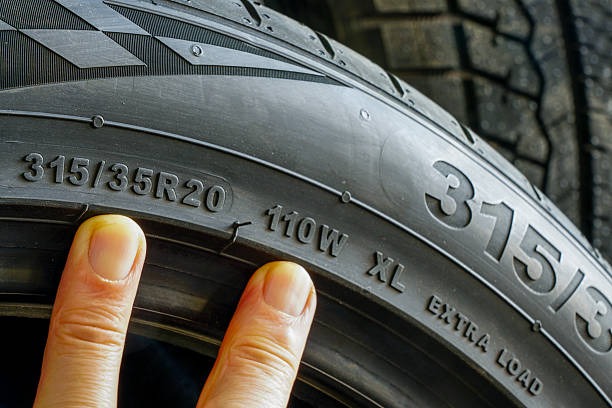
Tyre Speed Rating: Understanding What It Means for Your Vehicle
Every tyre is designed with specific performance characteristics that help ensure safe and reliable operation under recommended driving conditions. One of the most important specifications printed on the tyre sidewall is the tyre speed rating, which indicates the maximum speed a tyre is designed to sustain under specified load conditions. Understanding this rating helps drivers select suitable replacement tyres and maintain vehicle performance according to manufacturer recommendations.
Knowing how to interpret tyre markings can also help vehicle owners make more informed decisions when replacing or maintaining their tyres.
What Is a Tyre Speed Rating?
A tyre speed rating is represented by a letter found on the tyre sidewall, usually alongside the load index. Each letter corresponds to a maximum certified operating speed established under standardized testing conditions.
Drivers interested in understanding tyre speed rating information can refer to manufacturer guidance that explains tyre sidewall markings and specifications. Matching the recommended speed rating helps ensure compatibility with the vehicle’s original design and intended performance.
The speed rating should always be considered together with other tyre specifications, including size, load index, and construction.
Why Speed Ratings Matter
Selecting tyres with the appropriate speed rating contributes to vehicle handling, braking performance, stability, and overall driving safety. Vehicle manufacturers specify tyre ratings based on engineering requirements, and using tyres that meet these recommendations helps maintain the intended driving characteristics.
A tyre speed rating is not an indication of how fast a vehicle should be driven. Instead, it reflects the tyre’s tested capability under controlled conditions while carrying its specified load. Drivers should always follow local speed limits and road safety regulations.
Using tyres with unsuitable specifications may affect vehicle performance and handling.
Reading Tyre Markings
The tyre sidewall contains several important markings in addition to the speed rating. These include tyre width, aspect ratio, construction type, wheel diameter, load index, and manufacturing information.
Understanding these markings allows vehicle owners to select replacement tyres that meet the manufacturer’s recommendations. Consulting the owner’s manual or seeking advice from qualified tyre professionals can help ensure the correct tyre specifications are chosen.
Proper tyre selection contributes to safe and efficient vehicle operation.
Maintaining Tyre Performance
Tyres perform best when they are properly maintained. Regularly checking tyre pressure, inspecting tread depth, rotating tyres according to the manufacturer’s maintenance schedule, and monitoring for visible damage can help support safe driving and extend tyre life.
Vehicle owners should also replace tyres when they become excessively worn or damaged and ensure that replacement tyres meet the recommended specifications for their vehicle.
Routine maintenance helps preserve tyre performance under everyday driving conditions.
Conclusion
Understanding a tyre speed rating enables drivers to interpret an important part of the information printed on every tyre. By selecting tyres that meet manufacturer recommendations, maintaining proper tyre condition, and understanding sidewall markings, vehicle owners can support vehicle safety, handling, and overall driving performance while making informed tyre replacement decisions.